K-State leads international collaboration for next-gen global agriculture solutions
Smart Scout system will assess soybean fields for lodging and yields.

By Vikki Watson
K-State News and Communications Services
Monday, March 2, 2026
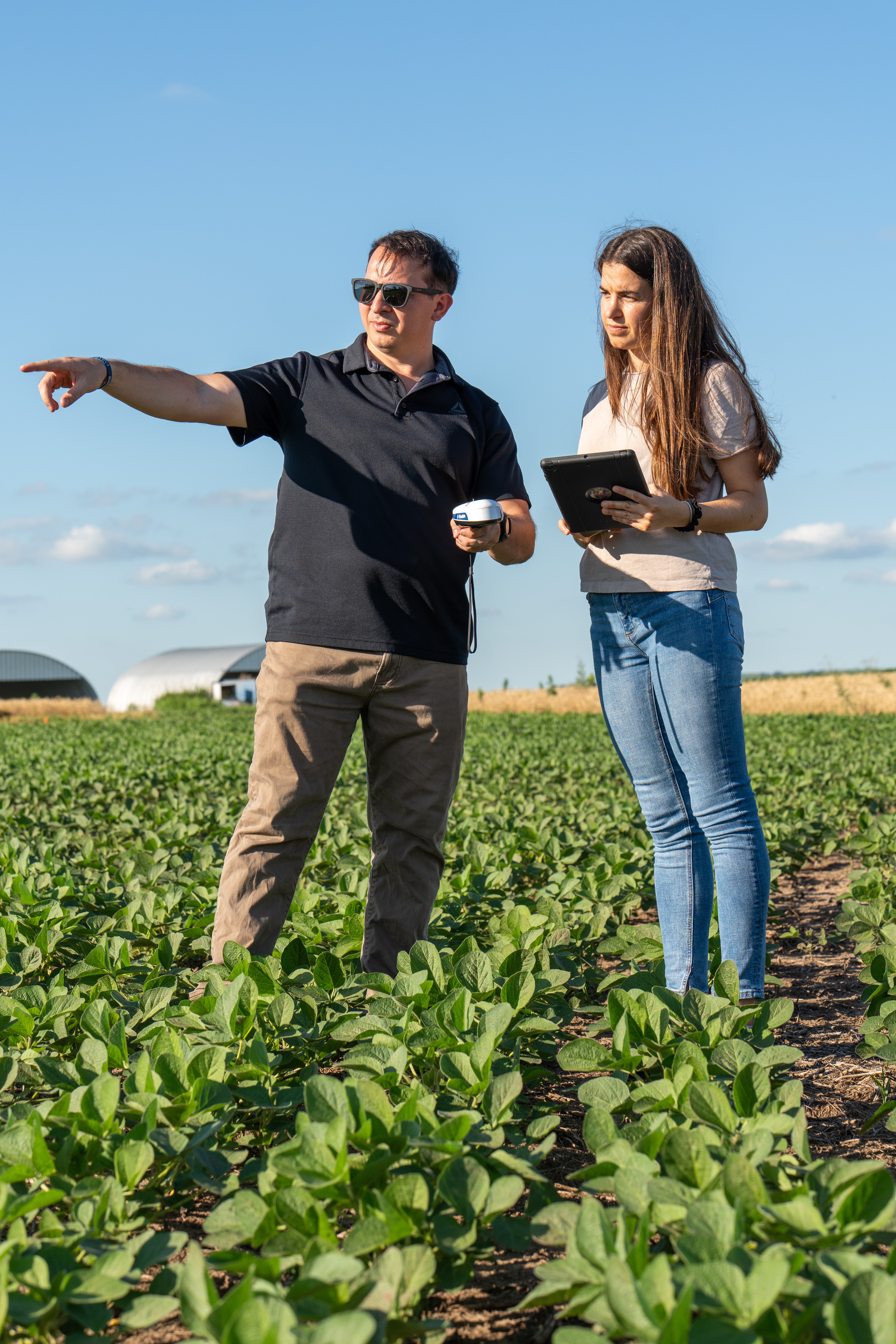
If soybean plants are about to fall in the field, how can farmers stop it before harvest hits? Kansas State University researchers are leading an international project to ensure soybean farmers know when their crops are at risk of falling without having to examine their fields plant by plant.
Soybean farmers worldwide face the common problem of lodging, a condition where plants fall over before harvest.
Lodging not only lowers crop yields and grain quality but also makes harvesting more difficult and less efficient. One major cause in Kansas is a hidden pest called Dectes texanus, the soybean stem borer, which is difficult to detect due to its feeding behaviors.
Today, most farmers rely on time-consuming, manual methods to spot problems, which are often inaccurate and inconsistent.
K-State researchers and partners from universities in Japan, India and Australia are developing Smart Scout, an AI-driven computer vision system to estimate soybean yield and detect lodging — making it easier for farmers to predict crop production and address lodging before it spreads.

AI-driven system to support soybean farmers in Kansas and worldwide
Smart Scout uses advanced cameras and artificial intelligence, or AI, to help farmers quickly and accurately detect pest infestations, quantify crop damage, estimate yields and make better decisions during the growing season.
The work is a natural fit for K-State's Institute for Digital Agriculture and Advanced Analytics, which aims to develop and integrate digital technologies and advanced analytical methods to enhance agricultural, environmental and socioeconomic decision-making. Brian McCornack, K-State entomology professor and department head, serves on the institute's board of directors and provides valuable expertise to the Smart Scout project as a member of the research team.
"The system is flexible — it can be used by hand or attached to farm equipment like sprayers or other vehicles, and it also provides easy-to-understand, visual insights right in the field," he said.
The Smart Scout system is also adaptable to other use cases, with the potential to benefit more than just soybean farmers.
"Smart Scout is designed to work with many other crops, offering a scalable solution for improving food production and detecting issues early," he said. "By helping farmers make timely choices that are driven by data and technology, Smart Scout can enhance their productivity, reduce losses and support more sustainable agricultural systems around the world."
Smart Scout project supported by National Science Foundation
K-State received a three-year grant from the U.S. National Science Foundation, or NSF, to develop the Smart Scout system. Its partner researchers from Kobe University in Japan and the Indian Institute of Technology in India received funding from their respective countries, and the University of Southern Queensland in Australia is also partnering on the project.
The NSF grant was among the first awarded under the Advancing Innovations for Empowering NextGen Agriculture, or AI-ENGAGE, initiative, a collaboration between NSF and research organizations in the United States, Australia, Japan and India focused on transforming agriculture to tackle global challenges. It's part of a $2.4 million investment by NSF to support six international research projects. The other countries contributed another $4 million, bringing the combined investment to $6 million.
"Working with partners around the world shows K-State's commitment to advancing agriculture and solving real-world challenges that not only impact us here in Kansas, but also across the globe," said Ajay Sharda, professor of biological and agricultural engineering at K-State and co-director of research for the Institute for Digital Agriculture and Advanced Analytics.
Sharda is principal investigator, or lead researcher, for the Smart Scout initiative, along with McCornack and William Schapaugh Jr., retired professor and soybean breeder in K-State's Department of Agronomy.
The AI-ENGAGE initiative is unique because it requires each project to include researchers from at least three of the four nations, ensuring an exchange of expertise, data and solutions.
"Each country brings unique strengths and perspectives that, together, enable us to develop more innovative and impactful solutions that can transform agricultural systems," Sharda said.
"That's a real advantage."
###
Related Stories
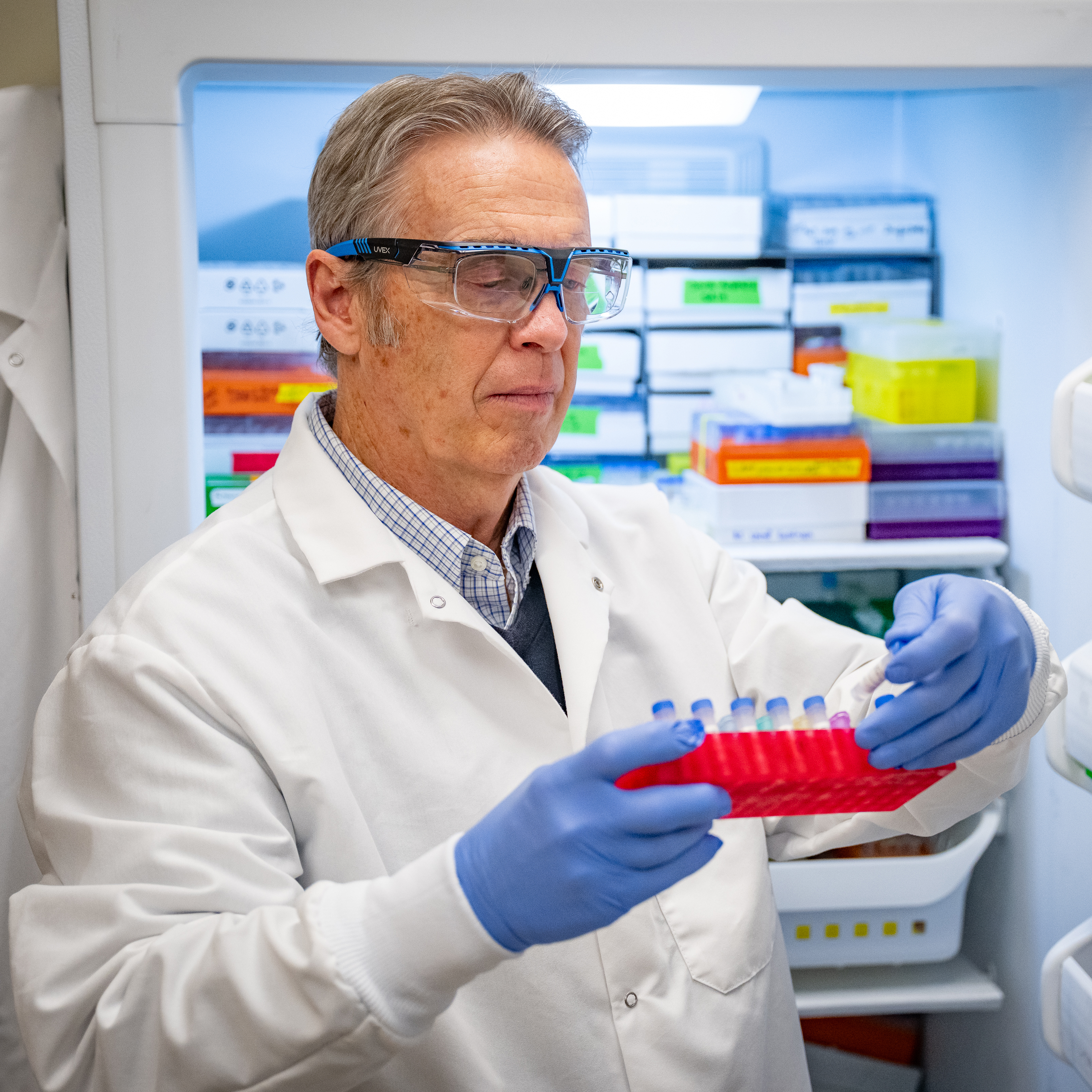
Strengthening global biosecurity
James Stack, university distinguished professor in the College of Agriculture, has been appointed to an endowed professorship at the Biosecurity Research Institute...
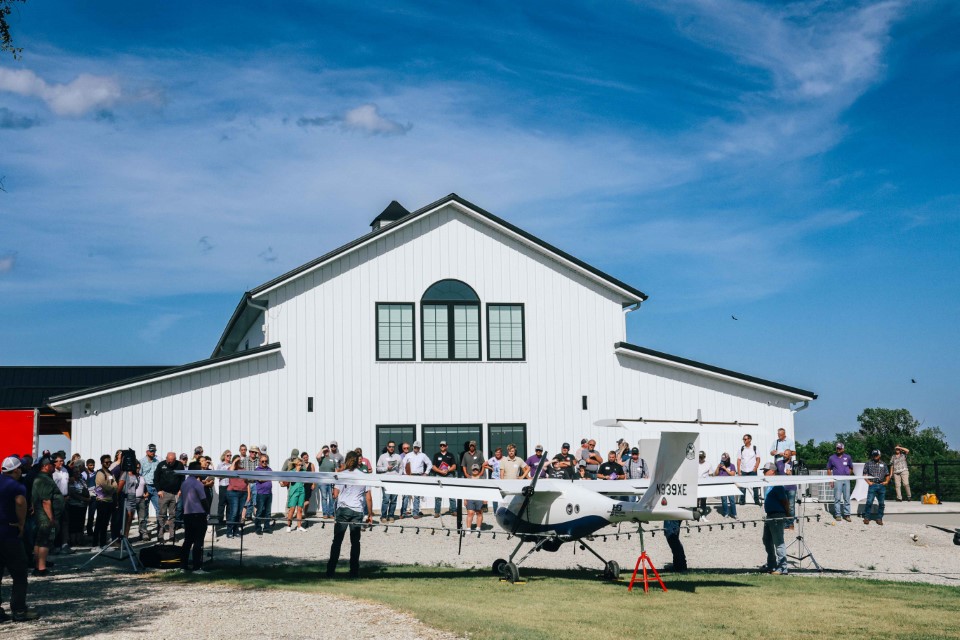
Sky-high innovation, boots-on-ground farmer insight
K-State’s ID3A and Kelly Hills Unmanned Systems, a leader in next-generation agriculture, are partnering to advance drone technology, empower farmers and...
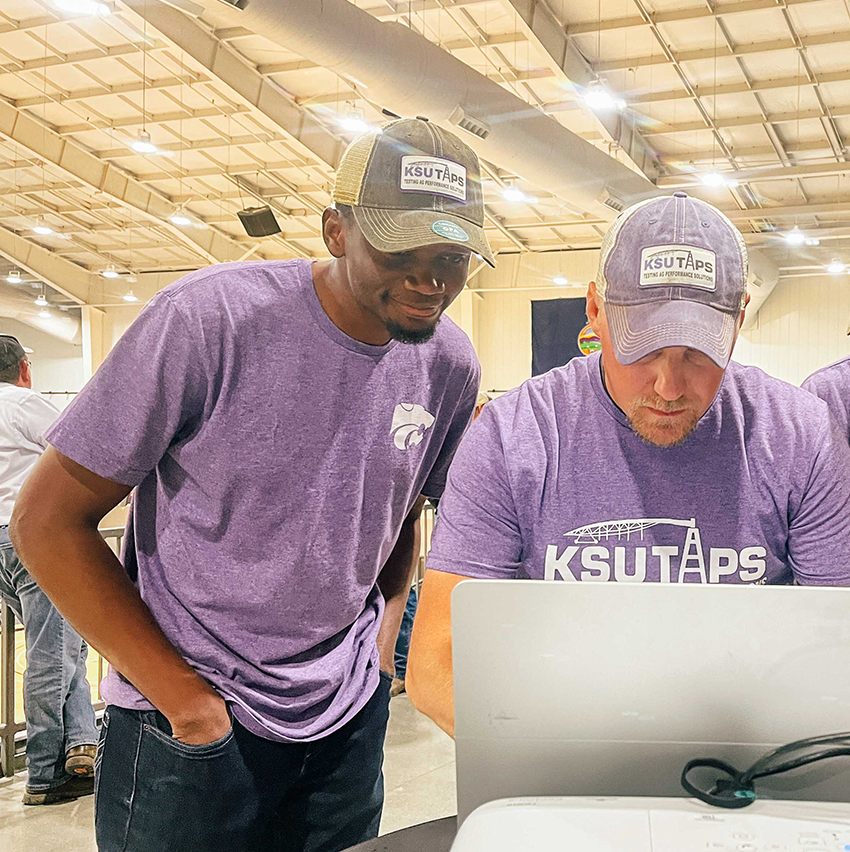
From Kampala to Kansas Fields
From Kampala to the Kansas prairie, Rayhaan Kabenge— a graduate assistant with the Testing Ag Performance Solutions team at Kansas State University — is...